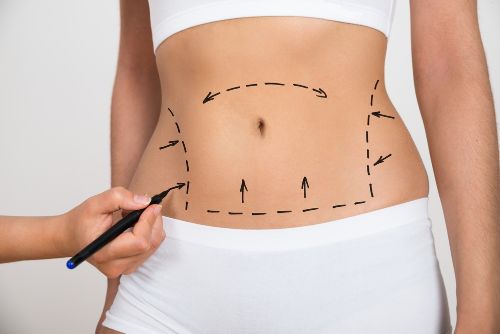
Most patients would prefer that their surgeon refrains from cutting away the skin and leaving a scar, but there is a point when excision is the only option for the smooth result that patients envision. Most liposuction revisions are due to excess skin that was not excised.ÿ
Patients with poor skin elasticity might appear less flexible than patients who receive treatment.
When there is excess, sagging skin, the surgeon removes and tightens the remaining skin to avoid ripply skin after liposuction. Cosmetic surgeons carefully place the incision where it is least visible and use a stitching technique that minimizes the appearance of the scar when it is healed.
What happens when liposuction has been completed?
How can I keep my liposuction results in check?
Liposuction is best for people with a great complexion and elasticity. When the skin is healthy, it will be able to mold into new shapes.
Wet liposuction involves injecting a "wet? solution that contains saline (lidocaine), and epinephrine into the affected area to remove excess fat. General anesthesia is used for the procedure. Although it is safer than using dry anesthesia, it can cause significant blood loss. This is why it is not recommended.
For people with great skin and elasticity, liposuction is best for them. This allows the skin to mold into new shapes.
There are three major threats to your health: infection, tingling or scarring, and tingling. Excessive fat can cause skin lumpiness, dents, and other problems. The risks of surgery depend on the amount of fat being removed.
Excellent shaping results in scarring of the soft tissue beds that is considerably worse than the previous liposuction. This makes liposuction in these locations difficult, necessitating ultrasound-assisted liposuction as a requirement for fat removal. Even using ultrasound-assisted liposuction necessitates boosting the VASER machine's power to remove the fat from 70% to 80%.
Nonsurgical approaches to reducing fat do not have a method of dealing with excess skin. This is particularly noticeable in patients who require skin excision and would result in ripply skin after liposuction.ÿ
Laser-Assisted Lipolysis is also known as laser-guided lips. This procedure uses tumescent liquids. This procedure is less invasive than traditional liposuction and requires more blood. To deliver laser energy, a tiny tube is placed under the skin.
Having had a gastric bypass and losing weight is a common occurrence.
While liposuction may remove some fat cells, it is not a cure-all. They can gain weight and increase in size. Regular exercise and a healthy diet can make a difference. Regular exercise can help with healing, weight maintenance, and help you reach your ideal body shape.
Liposuction: This refers to medical suctioning of fat cells in certain areas of the body. The most common being the abdomen, butts and hips, upper legs, knees, knees, knees, knees, elbows, back, chin, upper arms and calves. The hollow cannula is used for breaking down fat. The cannula connects to a vacuum to remove the fat.
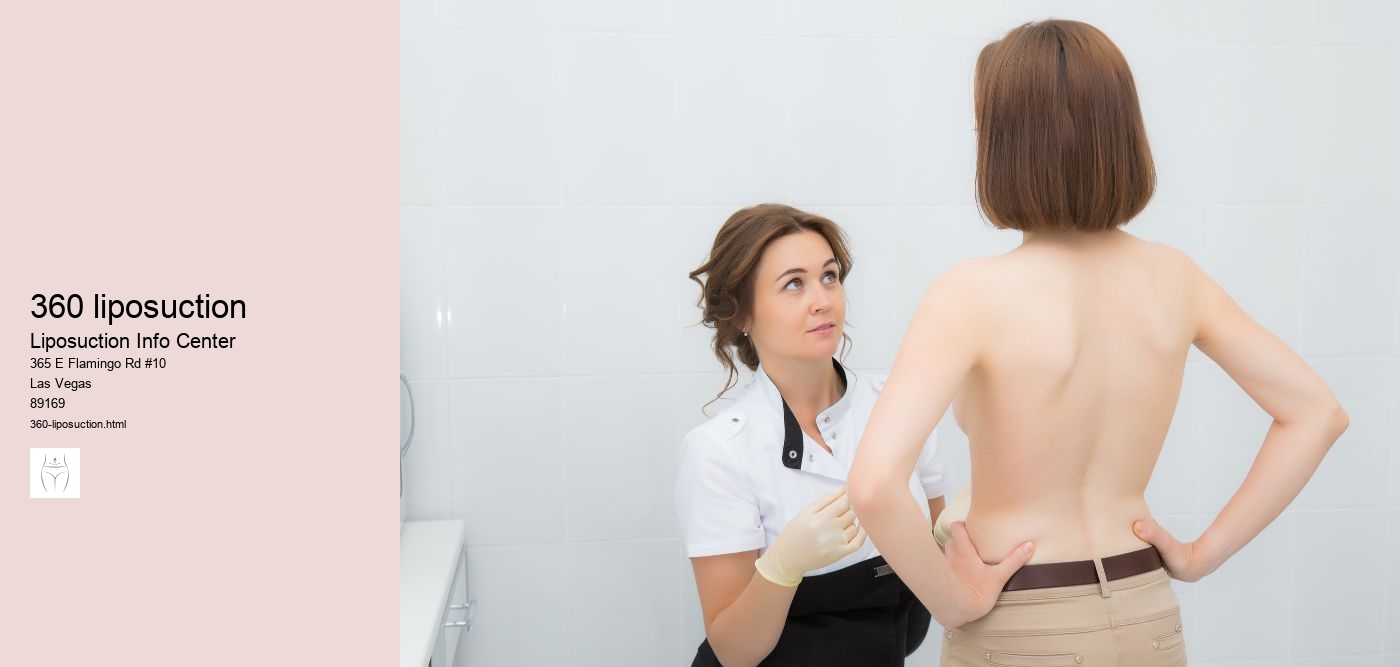
Tumescent lipo is applied to the area of fat. The solution is usually 2 to 3. The solution is usually 2 or 3. This reduces the trauma to other cells. It uses local anesthesia and reduces blood loss and pain. This allows for smooth recovery.
Healthy and balanced living is the key to sustaining results after lipo. Here are some tips to help you achieve specific, long-lasting results.
Extreme weight loss following weight problems: Someone with dark obesity may need treatment to reduce excess skin.